Under the mainstream trend of pursuing larger, wider, and more immersive display technology, bar screens (also known as long bar screens or bar displays, usually referring to special displays with aspect ratios exceeding 3:1, or even reaching 10:1 or higher) are opening up a differentiated application path with their unique form advantages. It is not only a simple change in screen form, but also a
Square screen: In the mainstream era of widescreen, why do these fields still adhere to the "beauty of squareness"?
In today's consumer electronics market dominated by 16:9 or even wider screen ratios, square screens (usually referring to 1:1 or near 1:1 ratio displays) seem to have become a "non mainstream" presence. However, it is precisely this seemingly retro screen form that demonstrates ir
The kitchen, a traditional space once centered around stove fires and oil fumes, is undergoing a profound digital revolution. With the deep integration of the Internet of Things, artificial intelligence, and smart home appliances, an era of "smart kitchens" that integrates cooking, entertainment, socializing, and information management has arrived. In this transformation, the 27 inch LCD display s
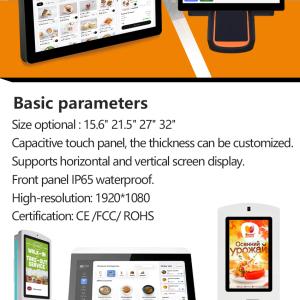
At airports, high-speed railway stations, and government service halls, self-service check-in/ticket counters have become a standard feature of modern services, greatly improving traffic efficiency and user experience. At this critical human-machine interaction node, the selection of display devices is crucial. In recent years, 21.5-inch LCD displays have become the preferred choice for many self-