Under the mainstream trend of pursuing larger, wider, and more immersive display technology, bar screens (also known as long bar screens or bar displays, usually referring to special displays with aspect ratios exceeding 3:1, or even reaching 10:1 or higher) are opening up a differentiated application path with their unique form advantages. It is not only a simple change in screen form, but also a
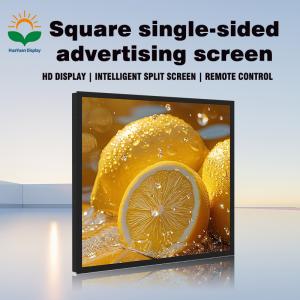
Square screen: In the mainstream era of widescreen, why do these fields still adhere to the "beauty of squareness"?
In today's consumer electronics market dominated by 16:9 or even wider screen ratios, square screens (usually referring to 1:1 or near 1:1 ratio displays) seem to have become a "non mainstream" presence. However, it is precisely this seemingly retro screen form that demonstrates ir
In today's global digital wave, from bustling shopping malls and efficient subway stations to well-organized government halls, ubiquitous self-service terminals are reshaping people's way of life and work with unprecedented depth. Behind this intelligent transformation, LCD screens, as the "first interface of human-computer interaction," are playing an indispensable and critical role, and have bec
In the wave of pursuing ultra large screens and ultra-high resolutions in display technology, the "classic size" of 7-inch LCD displays is demonstrating irreplaceable value in many emerging and traditional fields with its unique flexibility, portability, and high cost-effectiveness, continuously driving technological innovation and industrial upgrading.
We are standing at a critical point of interactive transformation. The display screen, the information window that we are accustomed to, is undergoing a fundamental transformation in its role. Today, a leading display solution provider released an industry insight stating that "the future of displays is no longer a single 'display', but an intelligent interaction center that integrates perception,