Intelligent Applications and Technical Advantages of LCD Displays in Energy Storage Cabinets
With the rapid development of the new energy storage industry, battery storage cabinets—serving as core terminal equipment for distributed energy storage, grid peak shaving, commercial and industrial backup power, and new energy storage systems—are undergoing iterative upgrades toward greater intelligence, high precision, high reliability, and autonomous (unattended) operation. Human-machine interaction and data visualization constitute the core elements of this intelligent transformation; consequently, Liquid Crystal Displays (LCDs)—distinguished by their superior display performance, exceptional environmental adaptability, low power consumption, and high integration capabilities—have emerged as indispensable core components for battery storage cabinets. These displays are now widely deployed across a diverse range of equipment scenarios—including commercial and industrial storage cabinets, outdoor storage enclosures, EV charging station storage units, and substation DC storage cabinets—providing essential visual support for the stable operation, precise control, and safety protection of energy storage systems.
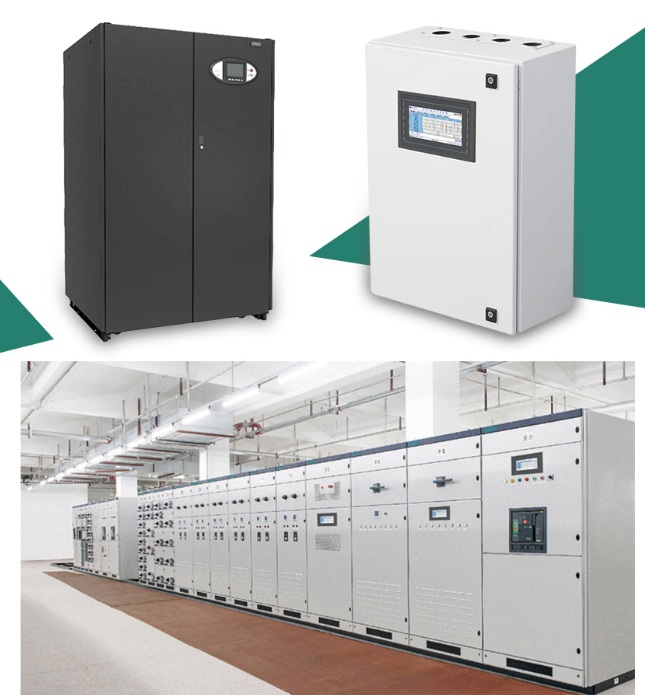
I. Core Display Requirements for Battery Storage Cabinets
Battery storage cabinets typically operate over extended periods in complex environments—such as commercial and industrial facilities, outdoor sites, power distribution rooms, and substations—where operating conditions are characterized by significant temperature fluctuations, intense electromagnetic interference, and high levels of dust and moisture. Furthermore, given that this equipment is critical to the safety of energy storage operations, the display terminals utilized within them are subject to rigorous, specialized requirements that distinguish them significantly from standard consumer-grade display devices.
First and foremost are the requirements for high stability and environmental adaptability. Since battery storage cabinets must operate continuously throughout the year, their display devices are required to support wide-temperature operation—capable of withstanding alternating extremes of heat and cold, high humidity, and dusty environments—while simultaneously possessing robust electromagnetic interference (EMI) immunity to prevent screen distortion or malfunction caused by the high-frequency operation of adjacent power equipment. Secondly, there is a critical need for precise data visualization. Energy storage systems involve multi-dimensional parameters—including voltage, current, temperature, energy levels, storage status, and fault codes—necessitating display devices capable of clearly and accurately presenting vast quantities of operational data and equipment status information. Thirdly, the systems must facilitate secure interaction and convenient operation. This entails supporting local parameter configuration, status inquiries, and fault alarm notifications to meet the operational needs of on-site maintenance personnel, while also incorporating protective features to prevent accidental touches and physical impact damage. Finally, there is the requirement for low power consumption and a long service life; these attributes align with the operational profile of battery storage cabinets—which typically involve prolonged standby periods and continuous operation—thereby reducing overall energy consumption and minimizing equipment replacement costs. II. Core Application Functions of LCD Monitors in Energy Storage Cabinets
Tailored for industrial-grade environments, LCD monitors integrate seamlessly with the operational management requirements of energy storage cabinets. They establish a comprehensive, visualized human-machine interaction system encompassing five core functions: status monitoring, data visualization, safety alarming, local control, and data retrieval. This integration significantly elevates the level of intelligent management and control for energy storage cabinets.
1. Real-time Display of Comprehensive Operational Data
LCD monitors dynamically refresh the core operational parameters of the energy storage cabinet, precisely displaying critical data such as main bus voltage, control bus voltage, battery charge/discharge current, circuit power, remaining capacity, total energy storage capacity, and cabinet internal temperature and humidity. With a measurement accuracy reaching ±0.5%, these monitors enable maintenance personnel to monitor the real-time operating conditions of the energy storage system. Furthermore, they provide a visual representation of equipment operational status—including battery charge/discharge status, circuit breaker open/closed status, grounding switch status, withdrawable unit position, and energy storage system start/stop status. This replaces the limited display modes of traditional indicator lights and analog dials, achieving centralized and digitized data visualization. Certain high-definition dot-matrix LCD screens can also display dynamic mimic diagrams of the primary circuit, offering an intuitive visual representation of the energy storage cabinet's power flow status.
2. Intelligent Fault Alarms and Safety Protection
To address various potential hazards during the operation of energy storage cabinets—such as overload, overvoltage, undervoltage, overheating, short circuits, battery faults, and insulation anomalies—LCD monitors capture system anomaly signals in real-time. They issue proactive alerts via text pop-ups, error codes, and flashing highlights, simultaneously displaying the fault type, location, and time of occurrence. When combined with the equipment's voice-guided anti-misoperation features, these monitors effectively prompt maintenance personnel to promptly identify and resolve potential hazards, thereby preventing safety incidents such as energy storage overloads or battery thermal runaway. Additionally, the screens display the operational status of heating and dehumidification systems, temperature control equipment, and high-voltage interlocking mechanisms, ensuring comprehensive operational safety for the energy storage cabinet.
3. Local Human-Machine Interaction and Parameter Adjustment
Most mainstream energy storage cabinets today are equipped with touch-screen LCD monitors. These are often paired with physical buttons and mechanical knobs to facilitate intelligent local operations. Maintenance personnel can utilize the screen interface to perform tasks such as setting energy storage parameters, switching between charge/discharge modes, adjusting alarm thresholds, and controlling system startup/shutdown. This enables them to complete local equipment commissioning and maintenance tasks without relying on a remote backend management system. Furthermore, the device features access control capabilities to prevent accidental operation by untrained personnel. Coupled with complementary safety features—such as emergency stop buttons and proximity sensors—it significantly enhances the safety and procedural compliance of on-site operations. Select models are equipped with backlit displays and adaptive lighting functions, meeting operational requirements in low-light environments, such as during nighttime shifts or within dimly lit power distribution rooms.
4. Data Storage, Retrieval, and Remote Integration
The industrial-grade LCD display module can be paired with a local storage unit capable of caching over seven days' worth of device operational data, fault records, and operation logs. This allows maintenance personnel to retrieve historical data at any time for use in equipment maintenance analysis, fault diagnosis, and operational optimization. Concurrently, the screen control system integrates an RS485 communication interface supporting the MODBUS protocol. This enables the "Four Remotes" functions—remote telemetry, remote signaling, remote control, and remote adjustment—thereby bridging the data link between local displays and remote backend systems. This design ensures both on-site visual monitoring and control, while simultaneously catering to the evolving requirements of unmanned, centralized remote operation and maintenance for energy storage systems.
III. Core Technical Features of LCD Displays Specialized for Energy Storage Cabinets
The LCD displays tailored for energy storage cabinet applications have undergone industrial-grade customization and optimization. By transcending the limitations inherent in consumer-grade screens, they demonstrate exceptional adaptability to specific scenarios, perfectly meeting the rigorous operational demands of energy storage cabinets.
1. Robust Environmental Adaptability and Protection Capabilities
The specialized LCD screens for energy storage cabinets feature tempered glass panels and optical bonding technology, complemented by dedicated sealing gaskets. This configuration achieves an IPX5 protection rating, effectively preventing the ingress of dust and moisture into the device's interior. Furthermore, the screens have passed IK08-level impact resistance testing, enabling them to withstand accidental bumps from tools or impacts from external objects—making them ideally suited for complex operating environments such as industrial plants and outdoor installations. Additionally, they support ultra-wide temperature operation, functioning stably within a range of -20°C to 70°C. This resilience ensures reliable performance regardless of extreme conditions—whether facing scorching summer heat and direct sunlight or freezing winter temperatures—thereby preventing display failures or data lag issues caused by harsh environments.
2. Anti-Interference and High-Definition Display Performance
To address the high levels of electromagnetic interference typically found within energy storage cabinets, these industrial LCD displays employ a shielded circuit design. This design effectively mitigates high-frequency electromagnetic radiation emitted by power equipment, thereby eliminating issues such as screen flickering, visual distortion, or data corruption, and ensuring the stable and accurate display of operational data. Additionally, incorporating anti-glare display technology, the screen remains clearly visible even in bright outdoor environments—free from halos or reflections. This resolves the common pain points associated with standard screens, such as poor outdoor visibility and blurry displays, making it ideally suited for use in outdoor energy storage cabinets and open-air power storage facilities.
3. Low Power Consumption and Long Lifespan: Optimized for Continuous Operation
LCD displays inherently possess low power consumption characteristics. Compared to alternative display components—such as OLEDs or digital tubes—they consume significantly less energy, thereby avoiding any additional power load on the energy storage cabinet itself. Furthermore, industrial-grade LCD screens boast a service life of tens of thousands of hours, supporting uninterrupted 24/7 operation. This makes them perfectly compatible with the long-term standby and continuous operation modes typical of energy storage cabinets, while also substantially reducing equipment failure rates and long-term maintenance costs.
IV. Mainstream Product Selection and Real-World Application Scenarios
Currently, LCD displays for energy storage cabinets have evolved into a standardized and serialized product ecosystem capable of accommodating energy storage equipment of various specifications and intended for diverse environments. Small-capacity energy storage cabinets and wall-mounted units typically utilize dot-matrix LCD screens of 10.1 inches or smaller, featuring 240x64 HD resolution and simple button-based controls to fulfill basic data display and alarm notification requirements. Conversely, high-power industrial and commercial energy storage cabinets, large-scale outdoor storage enclosures, and substation DC power cabinets are equipped with larger 12-to-21.5-inch multi-touch LCD screens. These larger displays integrate solid-state storage, intelligent control interfaces, and multi-layered protection features, enabling comprehensive data visualization and sophisticated operational management.
The practical application scenarios for these displays are extensive and wide-ranging, encompassing distributed industrial and commercial energy storage systems, grid-supportive storage and distribution cabinets, energy storage systems for new-energy charging stations, substation DC power screens, outdoor mobile energy storage units, and home energy storage cabinets. They serve a broad spectrum of sectors—including power grids, new-energy generation, industrial and commercial energy conservation, and emergency backup power—acting as a core enabling component in the intelligent upgrading of energy storage systems.
V. Industry Application Trends and Future Development
As the energy storage industry continues its deep evolution toward greater intelligence, digitalization, and operational sophistication, LCD displays designed for energy storage cabinets are also undergoing continuous iteration and technological upgrades. Moving forward, the development trajectory for these displays will focus on achieving integrated HD touch capabilities, AI-driven intelligent analytics, minimalist design integration, and ultra-low power consumption. On one hand, the display screen will integrate AI-driven data analysis capabilities, utilizing real-time operational data to predict potential issues such as battery degradation and latent equipment faults, thereby upgrading the system from passive fault notification to proactive early warning. On the other hand, equipment integration levels will continue to rise, converging multiple functions—including temperature control, lighting, communication, and security monitoring—to simplify the internal structure of the energy storage cabinet. Concurrently, technologies such as customizable display interfaces, modular installation, and remote firmware updates will become increasingly widespread, further catering to the requirements for large-scale, intelligent operation and maintenance (O&M) of energy storage systems.
VI. Conclusion
As the core human-machine interface within energy storage cabinets, LCD displays have effectively resolved the critical pain points associated with traditional cabinets—namely, fragmented data presentation, cumbersome O&M procedures, and lagging security monitoring. Leveraging technical advantages characterized by high stability, high precision, robust protection, and low power consumption, these displays enable the visualization of energy storage system operational status, streamline O&M workflows, and facilitate refined security management. Amidst the rapid expansion of the new energy storage industry, the deep integration of industrial-grade LCD displays provides robust technical support for the intelligent upgrading of energy storage cabinets and ensures the safe, stable operation of energy storage systems; furthermore, it will continue to drive the high-quality and standardized development of the emerging energy storage sector.